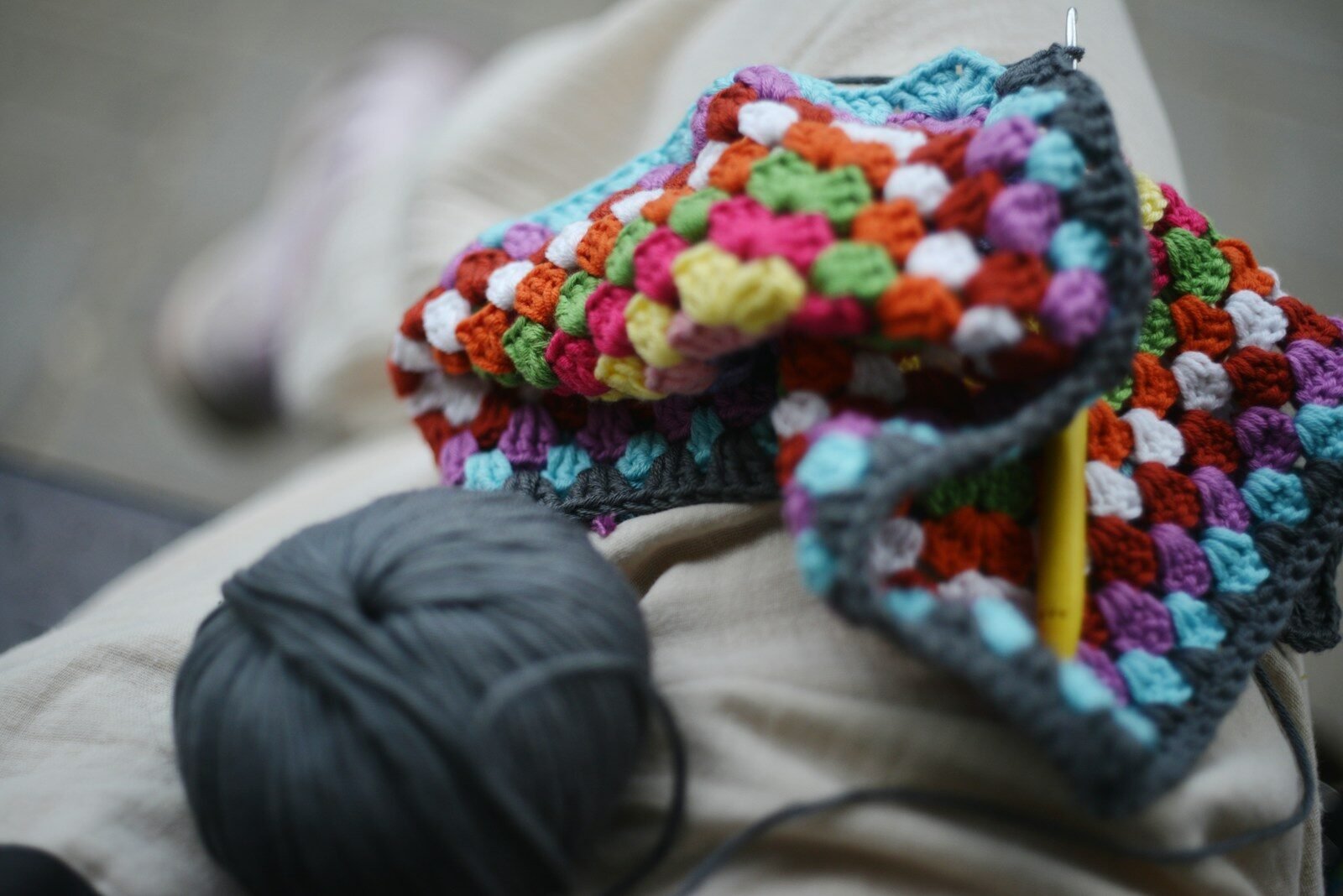
When I first learned to crochet, I thought everyone else magically knew what they were doing. Their edges were straight, their stitches were even and their projects looked effortless in a way mine never quite managed.
Meanwhile, I was replaying YouTube tutorials and wondering why my rectangle looked like an abstract Picasso creation…and not in a good way.
If you’re crocheting, or thinking about starting, here are 15 things every crocheter should know…but no one really tells you.
1. You Will Frog Projects. A Lot.
“Frogging” (ripping out stitches) isn’t failure, it’s part of the process. Even experienced crocheters unravel rows — I truly don’t think there’s been one project where I haven’t frogged in some capacity. Sometimes whole projects. It’s normal, and honestly, it just means you care enough to get it right.
2. Your First Few Projects Won’t Look Like Pinterest
That perfectly styled blanket photo? It’s not someone’s first project. Skill builds over time. So does tension control. Your early pieces are practice. Let them be.
3. Tension Is Everything
Loose tension creates gaps. Tight tension makes stiff fabric. Your hands will eventually find their rhythm. But until they do, inconsistency is expected. And yes, your tension can change depending on your mood or how tired you are.
4. Dye Lots Matter More Than You Think
Yarn from different dye lots can vary slightly in color, even if the label looks identical.
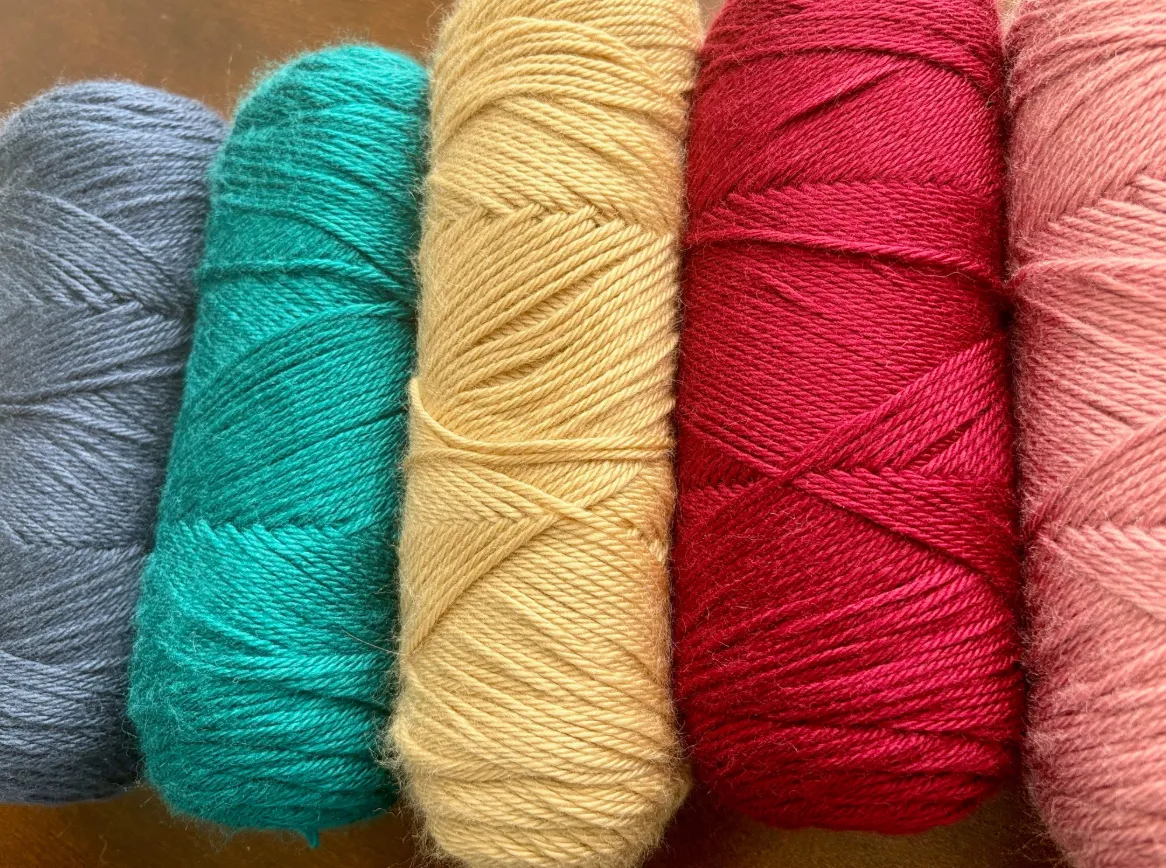
For larger projects like blankets, always buy enough from the same dye lot. Especially important if you’re making something like a striped throw similar to my Sunflower Fields Blanket or a textured piece like the Blush & Bobbles Blanket.
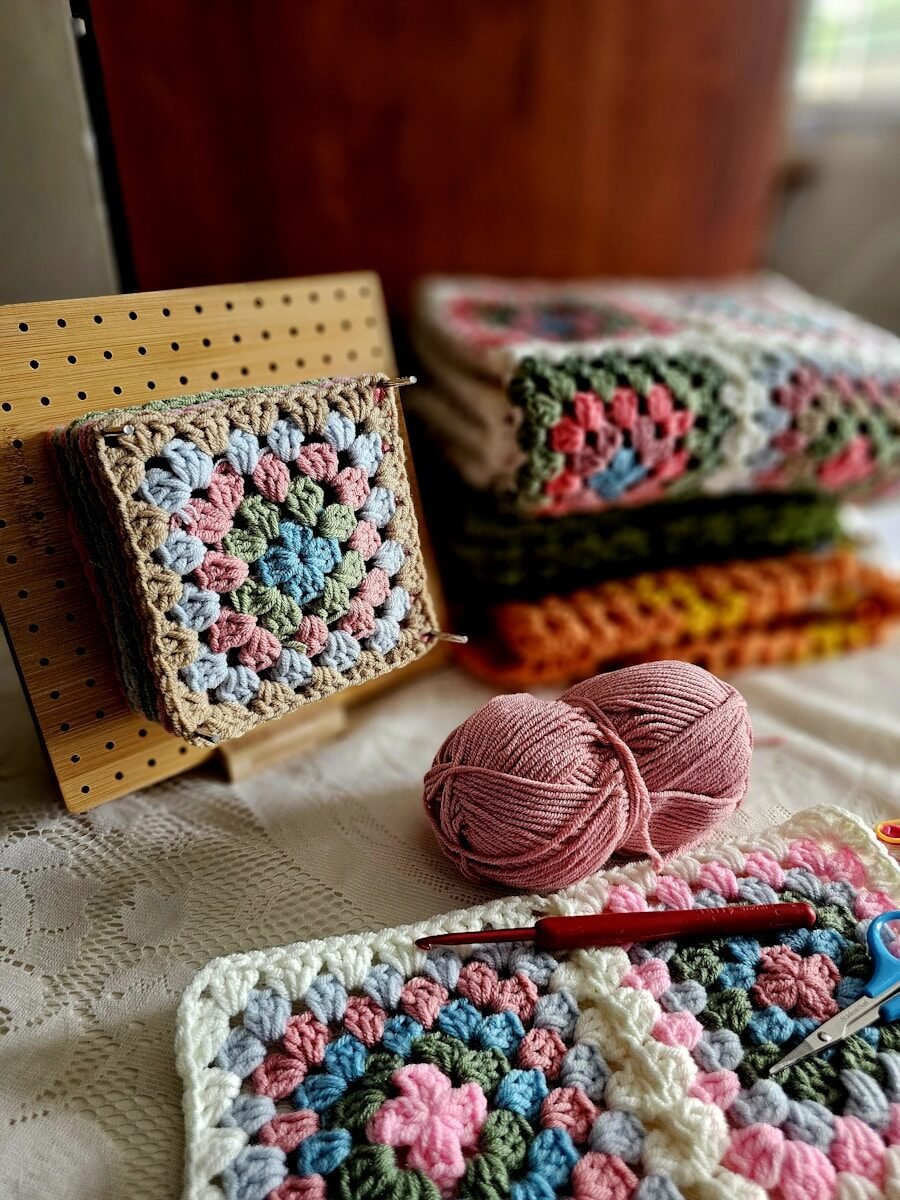
5. Blocking Can Transform a Project
Blocking isn’t optional fluff. It shapes, softens and evens out stitches. Especially for:
- Blankets
- Garments
- Structured pieces
- Motifs/Granny Squares
If you’ve never blocked your work, try it once. You’ll be surprised.
6. Cotton and Acrylic Behave Very Differently
Cotton:
- Less stretch
- More structure
- Great for towels and totes
Acrylic:
- Softer drape
- More forgiving tension
- Ideal for blankets
This is why I love cotton for pieces like my Easy Peasy Go-To Hand Towel Pattern and acrylic blends for cozy throws, like my Carried Away Blanket Pattern.
7. Your Hook Size Changes Everything
Even going up or down 0.5 mm can dramatically affect drape and feel. If your fabric feels too stiff, try a larger hook. Too loose? Go down a size. Too tight? Go up a size.
Experiment before restarting a full project.
8. Counting Stitches Saves Heartache
If your edges slant, you’re probably adding or losing stitches. Count at the end of every row, especially as a beginner. I find it helpful to add stitch markers to the first and last stitch of every row. Future you will be grateful.
9. Hand and Wrist Fatigue Is Real
Crochet is repetitive motion. Take breaks. Stretch your fingers…seriously, there are exercises for your fingers, hands and wrists that make a world of difference. Consider ergonomic hooks if you crochet often. Ignoring discomfort leads to longer breaks later.
10. You Don’t Need Every Fancy Tool
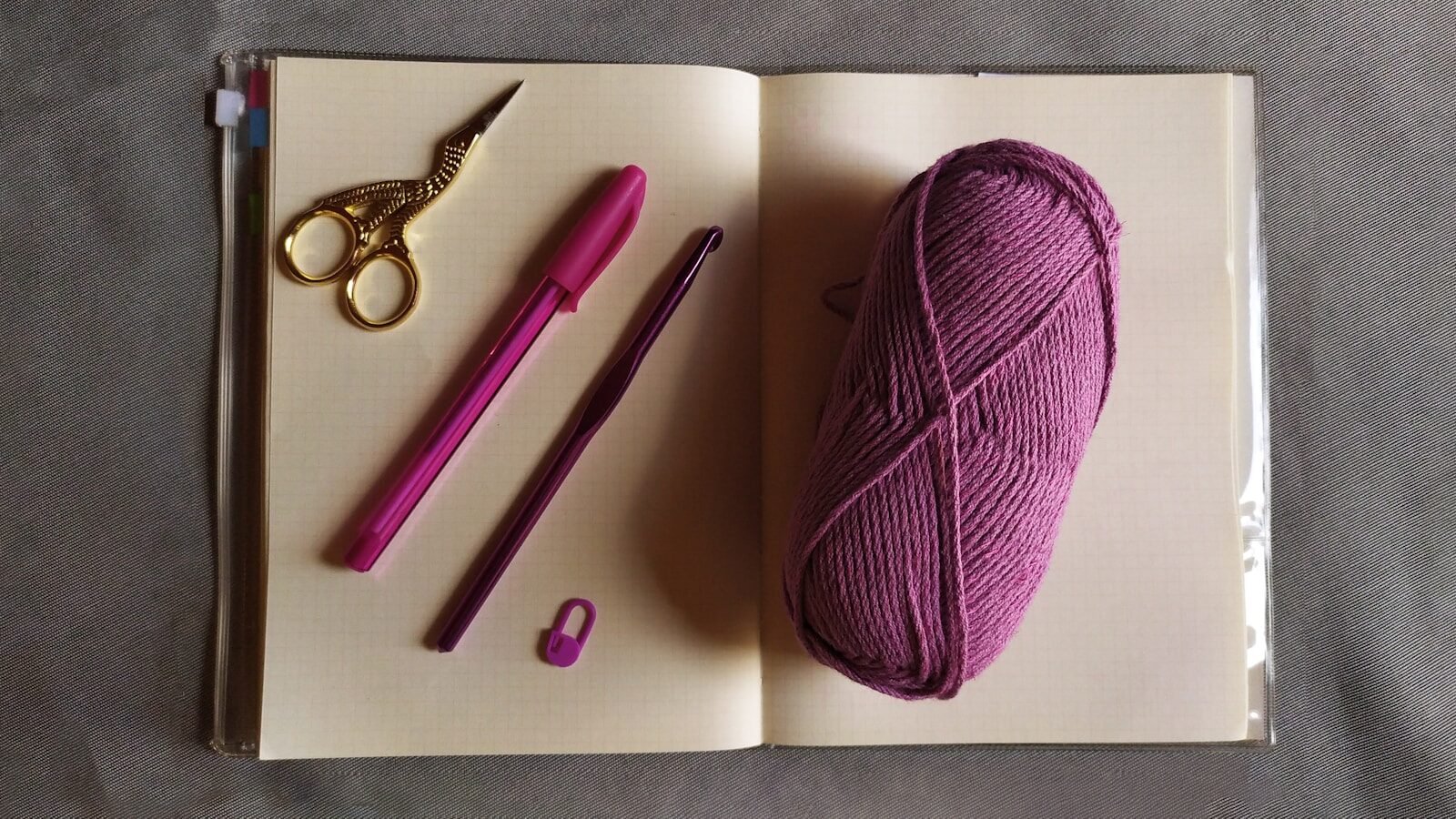
You need:
Everything else is helpful, not mandatory…though, in the very beginning (and honestly, still now) stitch markers are also a big help. Don’t let supplies become procrastination.
11. Color Choice Makes a Bigger Difference Than Stitch Choice
A simple stitch in a beautiful color combination will always look elevated. Before trying complicated patterns, experiment with color palettes. Some of my favorite pieces were inspired by book imagery and layered tones rather than complex stitch work.
12. Finishing Details Separate “Homemade” From “Handcrafted”
- Clean edges
- Even borders
- Neatly woven ends
These small steps elevate your work dramatically.
13. Small Projects Build Confidence Faster
A completed dishcloth teaches more than an unfinished blanket. Quick wins matter. If you’re looking for something manageable, start with a cotton hand towel pattern or a simple coasters before committing to a large throw.
14. Every Crocheter Compares Themselves
Crochet holds memory. A blanket made during a hard season. A tote made before a trip. A baby gift made with hope.
It’s more than yarn and hooks. It’s time. Intention. Care. And that matters.
15. Every Stitch Really Does Tell a Story
Crochet holds memory.
A blanket stitched together during a hard season, a tote packed with hope before a trip, a baby gift made with more love than the receiving blanket could ever hold.
It’s more than yarn and hooks, it’s time and intention and care, and that’s the part that actually matters.
If You’re New to Crochet…
Keep going. Your hands will learn, your stitches will even out and your confidence will grow more than you expect it to.
And one day, someone will look at your work and assume you’ve always known what you were doing.
You didn’t. You just kept stitching, one row at a time, until it started to look like something.